Silent Diesel Generator Set for Noise-Sensitive Job Sites
Understanding Silent Diesel Generators and Their Role on Noise-Sensitive Job Sites
- Understanding Silent Diesel Generators and Their Role on Noise-Sensitive Job Sites
- Advantages of Silent Diesel Generators Over Conventional Options
- Comparing Silent Diesel Generators with Alternative Power Solutions
- Procurement Guide for Silent Diesel Generators on Noise-Sensitive Job Sites
- Maintenance and Noise Optimization Strategies for Silent Diesel Generators
- Conclusion
- FAQ
- Partner with CNMC for Your Silent Power Generation Needs
- References
By combining the dependability of diesel engines with advanced sound engineering, silent diesel generator sets have changed the way power is generated in places where noise is a problem. These specialized power units have sound-dampening casings and vibration separation technologies built in to keep performance at its best while reducing noise. Normal generators make noises louder than 85 dB(A), but silent diesel generator systems usually work between 65 and 75 dB(A) at seven meters away. This makes them necessary for places like hospitals, residential construction sites, and commercial projects in cities where noise laws are strict.
Understanding Silent Diesel Generators and Their Role on Noise-Sensitive Job Sites
Silent diesel generators are a clever step forward in power production technology. They were designed to strike the perfect balance between noise control and reliable power supply. Heavy-duty industrial-grade diesel engines are built into specially designed sound casings that keep the engines' efficiency and power output stable while reducing noise levels by a large amount.
Advanced Acoustic Engineering Technology
Multi-layered sound reduction systems that stop noise at its source are at the heart of quiet diesel engine technology. The casings of modern units are made of galvanized steel and are lined with high-density sound foam and mineral wool insulation. The design of the cage includes air intake and exhaust ducts that are set up like a maze. These ducts keep the engine well-ventilated while strategically blocking sound waves. When compared to open-frame options, this engineering method cuts noise by 15 to 20 decibels without affecting engine speed or cooling efficiency.
Compliance with Stringent Noise Regulations
In cities across the United States, noise laws usually limit industrial and building noise to 70 to 75 dB(A) during the day and 55 to 65 dB(A) at night. Silent diesel generators are specially made to meet these rules, so they can keep running in places where noise levels are limited, like hospital areas, residential neighborhoods, and schools. These engines often have better noise levels than what is required by local laws. This gives operators more options and lowers the risk of expensive compliance violations.
Critical Applications in Noise-Sensitive Environments
Healthcare buildings need quiet power production more than any other type of building. Life-support equipment, operating rooms, and critical care units all need to be able to use power without interruptions. At the same time, hospitals need to keep the healing area free of noise that could be distracting. Diesel engines that are quiet provide the reliable power and noise level that keeps patients comfortable and follows the rules. For the same reason, data centers in cities depend on these quiet power solutions to keep their cooling systems and servers running without bothering nearby businesses or homes.
Advantages of Silent Diesel Generators Over Conventional Options
The switch to a silent diesel generator has measured benefits that go beyond just less noise. These include better working efficiency, longer durability, and better fuel economy. When buying managers have to weigh the costs of an initial investment against the value it will bring to the business in the long run, these benefits directly address their main concerns.
Substantial Noise Reduction and Environmental Benefits
Comparative tests show that silent diesel generators make about 15 to 20 decibels less noise than regular open-frame units. A normal 100kW diesel engine that makes 85 dB(A) can be switched out for a quiet one that makes only 68 dB(A) at the same distance, which is a big improvement in noise comfort. This lower noise level means better working conditions for people on-site and less damage to the neighborhood during urban building projects.
Enhanced Fuel Efficiency and Operating Economy
Because of their advanced engine control systems and better combustion chamber design, silent diesel generators often use less fuel than their traditional peers. The enclosed design keeps the engine parts clean from dirt and other things in the surroundings, which means the engine runs more consistently and needs less upkeep. These efficiency gains mean that the generator will use less fuel and need less upkeep over its lifetime, which saves a lot of money.
Superior Weather Protection and Equipment Longevity
Because quiet generators are enclosed, they are naturally protected against weather, dust, and other outdoor contaminants that can hurt engine performance and shorten the life of the equipment. This weather resistance makes it possible to work reliably outside without building an extra cover. This lowers the cost of installation and increases the number of times it can be used. The secure cage also helps keep the engine at the best temperature, which extends its life and keeps important parts from wearing out too quickly.
Comparing Silent Diesel Generators with Alternative Power Solutions
Professionals in procurement have to look at a number of different power generation choices to find the best one for each job. Silent diesel generators are different from other generators on the market because they are better than electric, gasoline, and regular diesel generators in certain ways and can help with certain operating problems.
Silent Diesel vs. Electric Generator Performance
Electric generators work almost silently, but they need to be connected to the power grid or have battery backup systems that work all the time. This makes them less useful in rural areas or situations where the power goes out for a long time. Silent diesel engines are stable power sources in places that don't have access to electricity because they run quietly and don't need fuel. Diesel units are very useful for building sites, emergency backups, and temporary installations where grid connection isn't available or isn't stable because they don't need to be refueled.
Comparison with Gasoline-Powered Alternatives
In the beginning, gasoline engines are often less expensive, but they make a lot more noise and use more fuel per kilowatt-hour generated. The power and thermal economy of diesel engines are better, which means they cost less to run and need less maintenance. Diesel units' better fuel economy is especially useful in situations where they need to run for a long time or continuously for several days.
Stationary vs. Portable Silent Generator Configurations
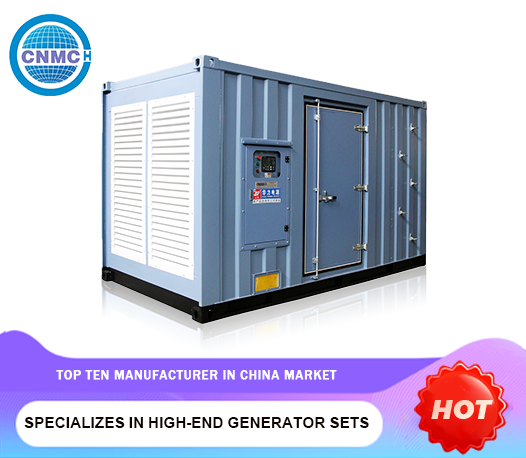
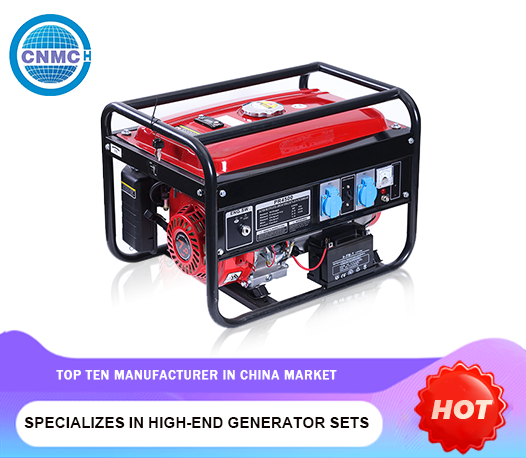
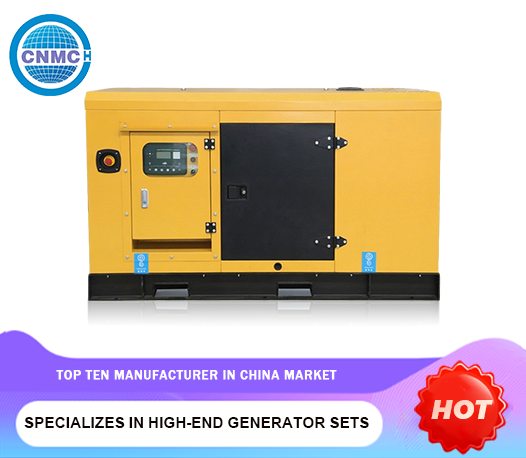
Whether you choose a fixed or portable silent generator relies on the needs of the application and how mobile the spot needs to be. Stationary machines usually have more power and better soundproofing, but they have to be permanently installed. Portable generators with low noise levels can be used for short-term projects and are easy to move around. They also make enough noise for most urban uses. CNMC has both versions available, and the features can be changed to fit the needs of each job and the amount of power needed.
Procurement Guide for Silent Diesel Generators on Noise-Sensitive Job Sites
To choose the right silent diesel generator, you need to carefully consider how much power you need, the limitations of the spot, and your operational goals. When buying something, it's important to think about a lot of things, like the capacity size, the sound performance, and the total cost of ownership over the equipment's useful life.
Critical Sizing and Specification Considerations
Correct generator size starts with a correct load estimate. Diesel generators that are quiet have to be able to handle both steady-state power needs and rapid loads from starting motors and other high-inrush equipment. The engineering team at CNMC does full load analyses to make sure that generators are the right size and meet standards for noise performance. When you get the right size, you avoid both under-capacity problems that hurt efficiency and over-capacity problems that make costs go up for no reason.
Purchase vs. Rental Decision Framework
Whether to buy or rent silent diesel generators relies on how long the project will last, how often they will be used, and how much money you have available. It's usually more cost-effective to buy something for long-term setups or situations where it will be used a lot, while renting is more flexible for short-term projects or when you just need extra power once in a while. Customers can get high-quality silent power solutions and make the best use of their cash thanks to CNMC's flexible payment choices and rental programs.
Installation Best Practices and Site Preparation
The right placement has a big effect on both the sound quality and the stability of the system. Silent diesel generators need to have enough space for air flow, a stable base, and the right fuel supply lines. The placement spot should think about the direction of the prevailing wind to get the most natural airflow for cooling and the least amount of noise in sensitive areas. Professional installation services make sure that local laws and maker instructions are followed, and they also make sure that the equipment works well and lasts as long as possible.
Maintenance and Noise Optimization Strategies for Silent Diesel Generators
Through their entire working life, silent diesel generators keep producing power and making noise as long as they have good repair plans in place. Regular upkeep and taking good care of acoustic parts will keep the equipment running quietly for a long time, while also making it more reliable and protecting its worth.
Routine Maintenance for Acoustic Performance
To keep noise levels at a good level, you need to pay close attention to the acoustic housing parts and sound-dampening materials. Checking door locks, access panels, and air louvers on a regular basis can help find places where sound might be leaking before they affect the room's soundproofing. The acoustic insulation materials need to be checked on a regular basis for things like water damage, contamination, or stress that could make them less effective at blocking sound.
Engine and Alternator Service Requirements
Silent diesel generators use the same basic engine and alternator technologies as regular generators, but they need more care because they are sealed while they are working. Oil analysis done on a regular basis helps find problems before they get so bad that major parts break. Schedules for replacing air filters may need to be changed depending on the local climate and the way the space is ventilated. CNMC offers full upkeep training and help to make sure that equipment works at its best for as long as it's in use.
Advanced Noise Reduction Techniques
You can cut down on noise even more by adding more sound barriers, improving vibration separation, and placing things in sensitive areas in a smart way. Case studies from hospital and home projects show that proper site planning and extra sound control methods can make a noticeable difference in noise levels. These methods work especially well when current generators need to meet stricter noise standards or when the location of the generators means they have to work closer to sensitive sensors.
Conclusion
Silent diesel generators are necessary for making electricity in places where noise is an issue, and they also have to meet strict noise and pollution rules. These special units use a diesel engine that has been shown to be reliable along with cutting edge sound-reducing technology to make them run quietly without lowering the power quality or fuel economy. Investing in quiet technology pays off by making it easier to follow the rules, making working conditions better, and having less of an effect on the community in cities.
FAQ
What noise levels can I expect from a silent diesel generator?
At a distance of seven meters, silent diesel engines usually make noise levels between 65 and 75 dB(A), while regular open-frame units make noise levels of 85 or more dB(A). The noise level is different for each generator size, engine type, and sound shelter design. For some uses, premium units that are very quiet can get as low as 60 dB(A).
How does fuel consumption compare between silent and conventional generators?
Because the engines are better designed and the working situation is safer, silent diesel generators often use the same amount of fuel as or more than regular generators. The closed design keeps the machine running at its best temperature and keeps dirt and other things from getting inside, which helps it use less fuel over its entire life.
Are silent generators suitable for outdoor installation without additional shelter?
Yes, silent diesel generators are made to be installed outside because they have weatherproof covers that keep out rain, dust, and other environmental pollutants. The strong construction of the cage means that it doesn't need any extra cover and can keep working reliably in all kinds of weather.
What maintenance differences exist between silent and conventional generators?
Maintenance for silent generators includes regular maintenance for the diesel engine and extra care for noise-reducing parts like door seals, air louvers, and sound-absorbing materials. The sealed design actually keeps engine parts clean from outside contaminants, which could cut down on some upkeep needs while also taking care of the sound system.

Partner with CNMC for Your Silent Power Generation Needs
You can trust CNMC as a seller of silent diesel generators because they have decades of engineering experience and offer full global support services. Heavy-duty industrial engines, improved acoustic enclosures, and flexible designs let us make our silent diesel generator options fit the needs of your noise-sensitive application. We take care of the whole job, from the original planning and sizing to the installation, commissioning, and ongoing upkeep. Contact us at sales@chinamachinery.cn to find out how our quiet power solutions can help your project succeed while still meeting noise standards and running at peak efficiency.
References
1. American Society of Heating, Refrigerating and Air-Conditioning Engineers. "Sound and Vibration Control in HVAC Systems." ASHRAE Handbook, 2019 Edition.
2. Environmental Protection Agency. "Noise Control Act Regulations and Guidelines for Construction Equipment." Federal Register Documentation, 2021.
3. Institute of Electrical and Electronics Engineers. "IEEE Standard for Diesel Generator Sets Applied as Standby Power Supplies for Nuclear Power Generating Stations." IEEE 387-2017.
4. International Organization for Standardization. "Reciprocating Internal Combustion Engine Driven Alternating Current Generating Sets - Acoustic Test Code." ISO 8528-10:2022.
5. National Institute for Occupational Safety and Health. "Occupational Noise Exposure Guidelines and Hearing Conservation Programs." NIOSH Publication No. 2018-101.
6. Society of Automotive Engineers. "Sound Level for Truck Cab Interior and Sleeper Compartments." SAE J336 Standard, Revised 2020.

Chloe Wang
Over two decades of experience in the power generation equipment and construction machinery industries, dedicated to empowering global industrial and infrastructure development with superior power technology.
Custom Turnkey Solutions for Your Complex Requirements
From design to delivery, we provide end-to-end support. Share your project specs for a comprehensive technical assessment.

_1766992442527.webp)
_1766992442535.webp)
_1766992442554.webp)








Recommended Blog
_1772160290761.webp)
_1772160544847.webp)
